ADHD · November 2, 2026
The ADHD Medication Shortage: What to Know in 2026
By Kathie Bolles, PMHNP-BC
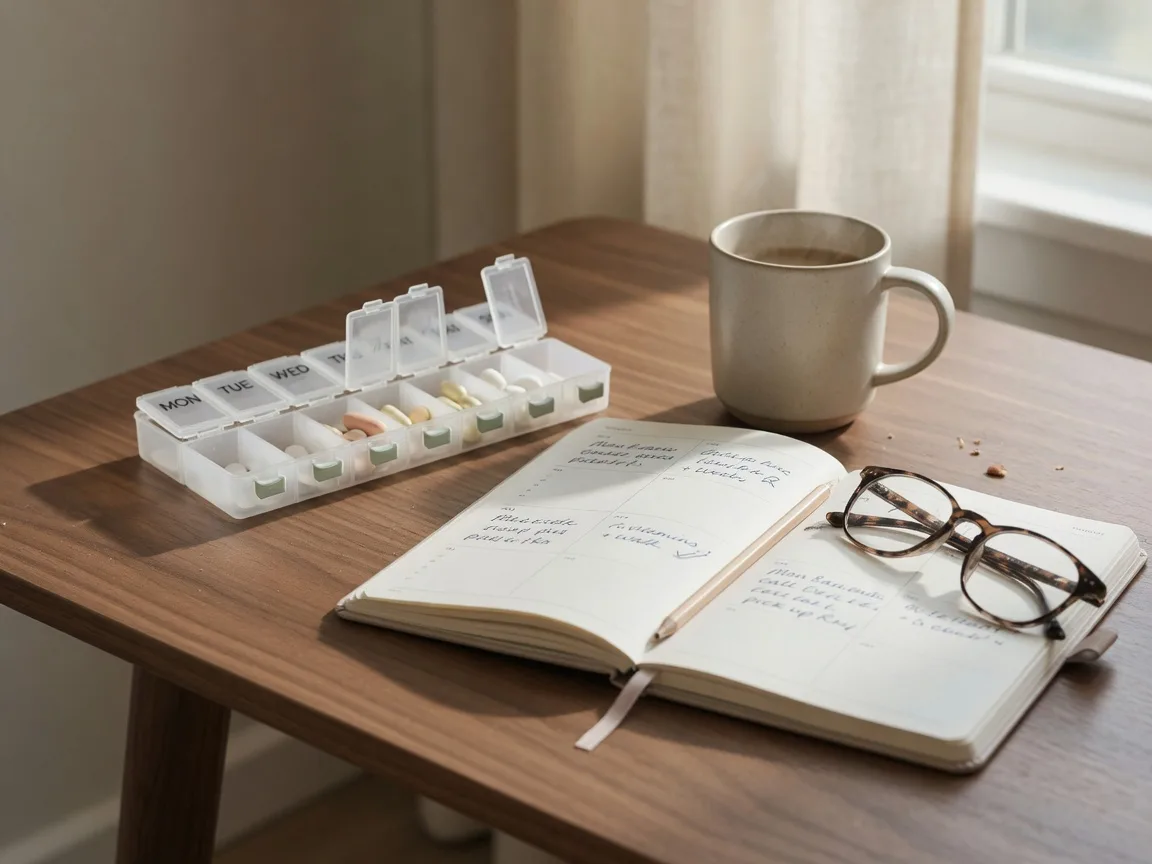
As of late 2026, the ADHD stimulant shortage that began in October 2022 has not been officially declared resolved. The FDA Drug Shortages database still lists several amphetamine and methylphenidate products as in shortage, and CHADD notes that availability varies by medication, dose, and pharmacy. If you take medication for ADHD in Austin, a short fill does not have to mean weeks without treatment. Mynd Works Psychiatry offers ADHD evaluation and medication management in person and by telehealth.
Is the ADHD medication shortage still happening?
Yes, for some products. The FDA first posted a shortage notice for amphetamine mixed salts (Adderall and its generics) on October 12, 2022, and the listing has remained open since. As of late 2026, the FDA Drug Shortages database still lists some stimulant products, including certain strengths and forms of amphetamine mixed salts and some methylphenidate products, as in shortage.
Generic immediate-release forms have generally been harder to find than brand-name or extended-release products, and inventory can change week to week at individual pharmacies. In shortage does not mean unavailable everywhere; it means the supply at some points in the chain is unreliable.
Why has the shortage lasted this long?
The causes overlap: a sustained rise in adult ADHD diagnoses and prescriptions, manufacturing and raw-material issues, and federal production quotas that took time to adjust. The DEA increased its d-amphetamine production quota by about 25 percent in October 2025 and set higher quotas for 2026, but quota increases take months to reach pharmacy shelves, so relief has been gradual.
Because demand and supply can shift at the same time, the shortage has improved for some products while others remain hard to find. That unpredictability is one reason staying in contact with your prescribing clinician matters more than ever.
What should I do if my prescription is out of stock?
Start with the pharmacy, not the medicine cabinet. Call before your prescription is sent and ask whether the exact medication, strength, and form are in stock. If not, ask about equivalent configurations, such as two lower-strength tablets for a single higher dose, since pharmacies often stock one form but not another. CHADD recommends confirming stock before the prescriber transmits a controlled-substance prescription, because these prescriptions cannot easily be transferred between pharmacies.
If your usual pharmacy cannot fill it, call several local pharmacies, including smaller and independently owned ones, and tell your clinician what you find. Timing matters: pharmacies that receive a controlled-substance stock shipment typically fill these prescriptions quickly once the medication arrives.
Are medication switches safe during the shortage?
Only when made with a prescriber. Stimulant medications are not interchangeable milligram for milligram, and switching between extended-release and immediate-release products changes how the medication works across the day. A clinician may recommend a within-class switch, for example from one amphetamine product to a methylphenidate product, or a different dose form, and will usually want a follow-up to see how the change is working.
Non-stimulant options such as atomoxetine, viloxazine, guanfacine, and clonidine have generally remained available and are not subject to the same DEA quotas, but they are not identical to stimulants in onset, effect, or side-effect profile. Whether one fits depends on your symptoms, history, and treatment goals.
What if I run out of medication before a refill is available?
Do not borrow medication from someone else or buy it online. Counterfeit pills sold over the internet are a documented public safety problem, and sharing prescription medication is both unsafe and illegal. Instead, let your clinician know as soon as you cannot fill: they may be able to bridge the gap with a different dose or form, adjust timing, or help you line up a supply at another pharmacy.
Some people notice a return of ADHD symptoms or difficulty concentrating for a few days after stopping a stimulant, though stimulants generally do not require tapering the way some other medications do. Your prescriber can tell you what to expect in your situation and what to watch for.
How can Mynd Works Psychiatry help during the shortage?
If you have never been evaluated for ADHD but the pattern sounds familiar, adult ADHD evaluation begins with a careful clinical interview rather than a single test. If you already take medication, medication management includes troubleshooting availability, discussing dose forms, and planning alternatives with you rather than leaving you to navigate supply problems alone.
The practice serves patients in Austin and surrounding communities, with telehealth appointments available across Texas where clinically appropriate. You can request a consultation to discuss evaluation, medication management, or shortage-related questions.
Common questions
Will the ADHD medication shortage end?
There is no confirmed end date. The DEA increased production quotas in late 2025 and set higher quotas for 2026, and supply has improved for some products. There is no official declaration that the shortage is resolved.
Are non-stimulant ADHD medications affected by the shortage?
Non-stimulant options such as atomoxetine, viloxazine, guanfacine, and clonidine have generally remained more available because they are not subject to the same DEA production quotas. They differ from stimulants in onset, effect for some symptoms, and side effects, so the choice should be individualized.
Does Mynd Works help patients navigate medication availability problems?
Yes. Medication management visits can include discussing what is in stock, adjusting dose forms or timing under clinician guidance, and planning alternatives. The goal is to keep treatment moving even when supply is unpredictable.