Medication Management · November 4, 2026
Can You Drink Alcohol While Taking Psychiatric Medications?
By Kathie Bolles, PMHNP-BC
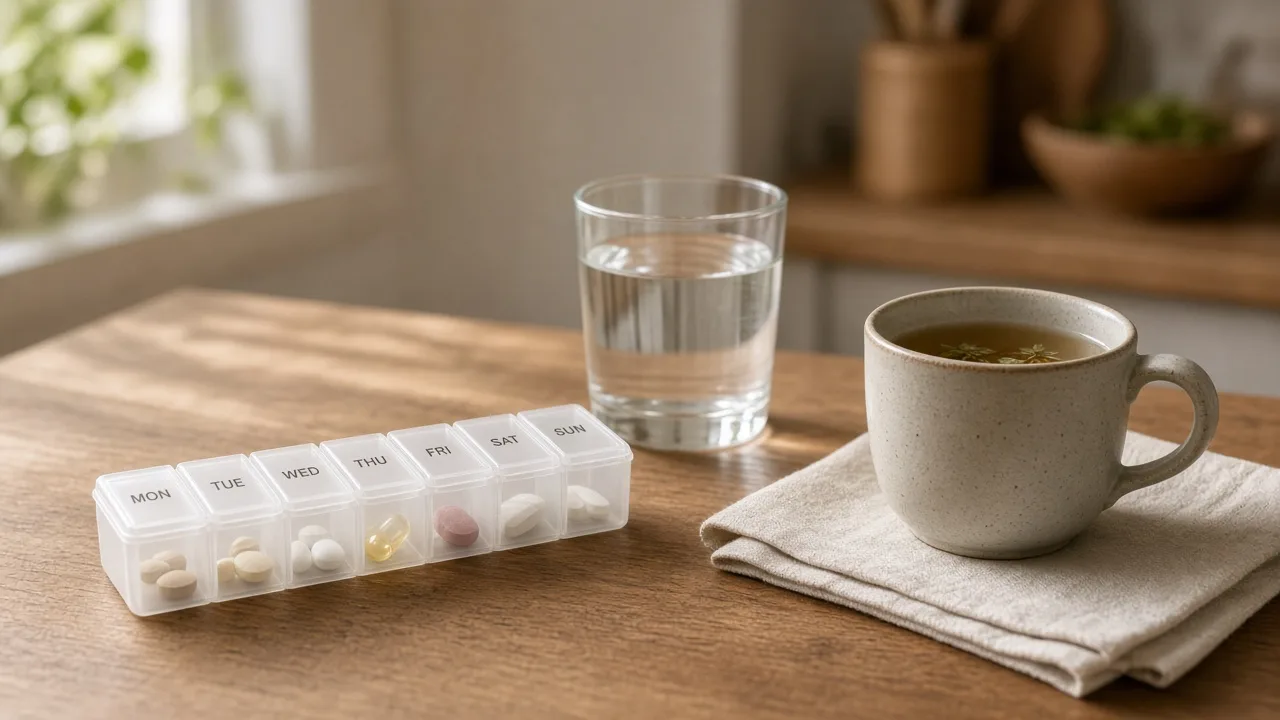
In most cases, the safest choice is to avoid alcohol while taking psychiatric medications, and if you drink, it is important to talk with your prescriber first. The NIAAA warns that mixing alcohol with medicines can intensify drowsiness and sedation, impair coordination and judgment, and, with some medications, raise the risk of serious harm. Because alcohol and many psychiatric medications both affect the central nervous system, interactions are possible, and effects vary by medication, dose, timing, and the individual. This article explains general risks; it is not individualized medical advice, and your clinician is the best source of guidance for your specific situation.
What are the risks of mixing alcohol with psychiatric medications?
Alcohol can intensify the sedating effects of many psychiatric medications, leading to more drowsiness, dizziness, slowed reaction time, and poor coordination. The NIAAA notes that combining alcohol with sedating medicines increases the risk of falls, driving accidents, and other injuries.
Alcohol can also change how some medications are broken down in the body, which can alter their effectiveness and their side effects. For certain combinations, particularly alcohol with sedatives or sleep aids, the risk is more serious and includes respiratory depression and overdose.
Does alcohol affect every psychiatric medication the same way?
No. Interactions differ by medication class. Benzodiazepines and sleep aids carry some of the strongest warnings, because both alcohol and these medicines slow the central nervous system. Some antidepressants are more sedating, especially early in treatment, and alcohol can add to that.
Other classes have their own considerations: stimulant medications for ADHD can raise heart rate and blood pressure, and alcohol may add to cardiovascular effects and impair judgment. Some medications carry specific FDA warnings, and certain antibiotics and other medicines can cause severe reactions with alcohol.
The practical takeaway: never assume a medication is safe to combine with alcohol. Check the label, ask your pharmacist or prescriber, and follow their guidance.
Does alcohol affect mental health conditions themselves?
Independent of medication, alcohol is a central nervous system depressant. For many people it can worsen anxiety and low mood, disrupt sleep, and interfere with the very patterns that treatment is working to improve.
This is why alcohol use comes up as a routine, non-judgmental part of psychiatric care: it is relevant to the whole picture, not a personal judgment.
What should you do if you drink while taking psychiatric medication?
Start with an open conversation with your prescriber. Tell them honestly how much you drink and how often, and ask specifically about your medication. Do not stop or change a psychiatric medication on your own; stopping abruptly can cause problems, and there are safe ways to adjust treatment when needed.
If you have had a drink and are concerned, contact your prescriber or your pharmacist. For severe symptoms, difficulty breathing, or a suspected overdose, call 911 or poison control at 1-800-222-1222 immediately. When in doubt, do not drive.
How does Mynd Works approach these conversations?
Medication management at Mynd Works is collaborative: options, expected effects, risks, and interactions are discussed openly before any decision, and the review of alcohol and substance use is a standard part of a thorough psychiatric evaluation.
The goal is a plan you understand and can follow safely. See how medication management works or request a consultation to talk about your situation.
Common questions
Can I have a single glass of wine while taking an antidepressant?
It depends on the medication, the dose, and the individual. Even small amounts of alcohol can intensify side effects for some people. The NIAAA advises caution with alcohol when taking medicines for depression and anxiety, and the safest approach is to ask your prescriber or pharmacist about your specific medication.
Does alcohol make anxiety or depression worse?
For many people, yes. Alcohol is a depressant that can worsen mood, disturb sleep, and increase anxiety, sometimes the next day. This is one reason alcohol use is discussed as part of psychiatric treatment.
Will my provider ask about alcohol use?
Yes. Reviewing alcohol and substance use is a standard, judgment-free part of a thorough psychiatric evaluation because it affects both safety and treatment planning.
What should I do if I already mixed alcohol with my medication?
Do not panic. Contact your prescriber or pharmacist for guidance, and do not take your next dose without checking. If you experience severe symptoms such as trouble breathing, call 911 or poison control at 1-800-222-1222 immediately.